AI Product Photography: The Complete 2026 Guide for Fashion Brands
How AI product photography actually works, what it costs, where it beats a studio shoot, and how fashion brands use it to publish campaign-grade visuals every month.
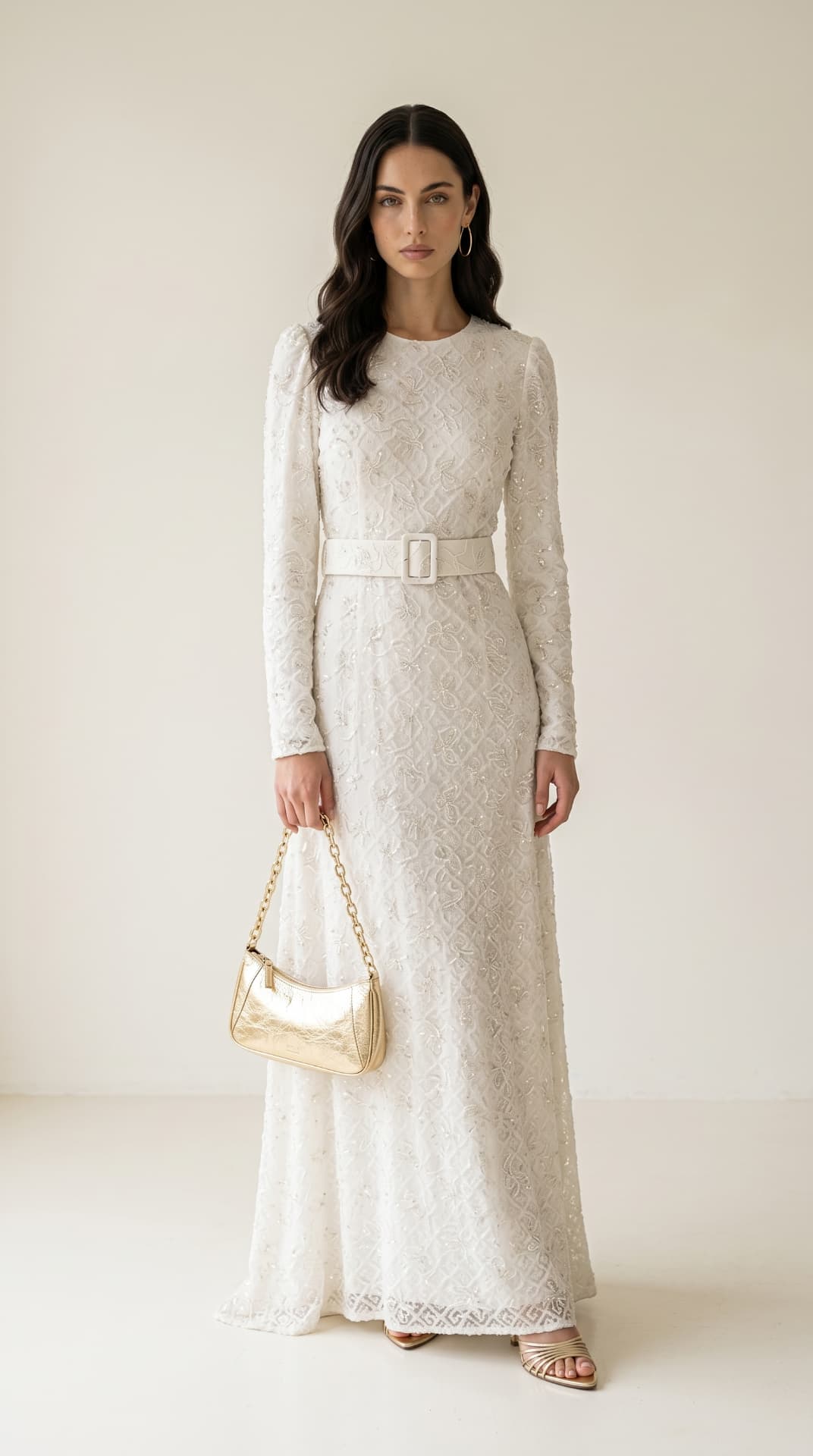
MODULA — an AI fashion photography and visual production agency.
AI product photography turns flat-lay, mannequin or hanger shots into finished, on-model campaign imagery — without a studio day, a model, or a location. For fashion brands publishing new drops every few weeks, it has quietly become the default way to keep the feed and the storefront full.
How the process actually works
- You shoot the garment on a mannequin, a hanger or a flat surface — phone quality is often enough.
- The studio builds a brand-consistent model, lighting setup and set direction.
- AI generation renders the garment on the model across multiple angles and scenes.
- A retoucher corrects fabric, seams, prints and colour so the result matches the physical product.
Where AI beats a traditional shoot
- Speed: finished assets in days instead of weeks.
- Volume: 40–60 usable assets per production cycle.
- Cost: a fraction of a full crew day.
- Flexibility: change season, mood or background without reshooting.
Where it still falls short
Heavy lace, sequins, sheer fabrics and intricate embroidery still demand a real camera. Pure-white packshots for marketplaces should be shot conventionally, because colour fidelity is a legal and returns issue, not an aesthetic one.
Quality checklist before you publish
- Fabric texture and drape match the physical garment.
- Prints and logos are correctly aligned, not warped.
- Hands, fingers and jewellery are anatomically clean.
- Colour matches the product under neutral light.
- Lighting and grade stay consistent across the set.
AI does not replace photography. It replaces the bottleneck between a new drop and a live campaign.
A realistic monthly workflow
Most brands settle into a rhythm: one production cycle per month covering the new drop, split into e-commerce on-model shots, lifestyle imagery for paid social, and short vertical clips for Reels and TikTok. That single cycle feeds four to six weeks of content.
How to Create a Fashion Lookbook That Actually Sells (2026)
A practical guide to planning, shooting and publishing a fashion lookbook — structure, shot list, styling, and how AI production makes seasonal lookbooks affordable.
English GuidesRunning an AI Fashion Campaign: Strategy, Assets and Budget
What a modern AI-produced fashion campaign includes, how many assets you need per channel, how to keep brand consistency, and what the whole thing realistically costs.